The Impact of Diet on Hormonal Health
- ciarafaithdaprile
- Feb 23
- 4 min read
Hormonal health plays a crucial role in our overall well-being, influencing everything from mood and energy levels to weight management and reproductive health. While many factors contribute to hormonal balance, diet is one of the most significant. The foods we consume can either support or disrupt our hormonal systems, leading to a variety of health issues. In this post, we will explore how diet impacts hormonal health, the specific nutrients that are vital for hormonal balance, and practical dietary strategies to support your hormonal health.

Understanding Hormones and Their Functions
Hormones are chemical messengers produced by glands in the endocrine system. They travel through the bloodstream to tissues and organs, regulating numerous bodily functions, including:
Metabolism: Hormones like insulin and glucagon help control how the body uses energy.
Growth and Development: Growth hormone and sex hormones are crucial for physical development.
Mood and Stress Response: Cortisol and serotonin influence mood and stress levels.
Reproductive Health: Estrogen, progesterone, and testosterone are vital for reproductive functions.
When hormonal balance is disrupted, it can lead to various health issues, including weight gain, fatigue, mood swings, and reproductive problems. Understanding how diet affects these hormones is essential for maintaining optimal health.
The Role of Diet in Hormonal Health
Diet can significantly influence hormone levels and functions. Here are some key ways in which what we eat impacts our hormonal health:
Blood Sugar Regulation
High-sugar and high-carb diets can lead to insulin resistance, a condition where the body's cells become less responsive to insulin. This can result in elevated blood sugar levels and increased fat storage. To maintain stable blood sugar levels, consider:
Choosing whole grains: Opt for brown rice, quinoa, and whole-grain bread instead of refined grains.
Incorporating healthy fats: Avocados, nuts, and olive oil can help slow down sugar absorption.
Eating balanced meals: Combine proteins, fats, and carbohydrates to stabilize blood sugar levels.
Healthy Fats and Hormonal Production
Fats are essential for hormone production, particularly sex hormones. Diets low in healthy fats can lead to hormonal imbalances. Include sources of healthy fats such as:
Avocados: Rich in monounsaturated fats, which support hormone production.
Fatty fish: Salmon and mackerel are high in omega-3 fatty acids, which can help reduce inflammation and support hormonal balance.
Nuts and seeds: Almonds, walnuts, and flaxseeds provide essential fatty acids and nutrients.
Nutrient Deficiencies
Certain vitamins and minerals play a crucial role in hormone production and regulation. A diet lacking in these nutrients can lead to hormonal imbalances. Key nutrients include:
Vitamin D: Supports the production of sex hormones and can be obtained from sunlight, fatty fish, and fortified foods.
Magnesium: Helps regulate cortisol levels and can be found in leafy greens, nuts, and whole grains.
Zinc: Essential for testosterone production, found in meat, shellfish, and legumes.
The Impact of Processed Foods
Processed foods often contain unhealthy fats, sugars, and additives that can disrupt hormonal balance. These foods can lead to inflammation and insulin resistance. To support hormonal health, focus on:
Whole foods: Prioritize fruits, vegetables, whole grains, and lean proteins.
Minimizing processed foods: Limit intake of sugary snacks, fast food, and packaged meals.
Dietary Strategies for Hormonal Balance
To promote hormonal health through diet, consider implementing the following strategies:
Eat a Balanced Diet
Aim for a diet rich in whole foods, including:
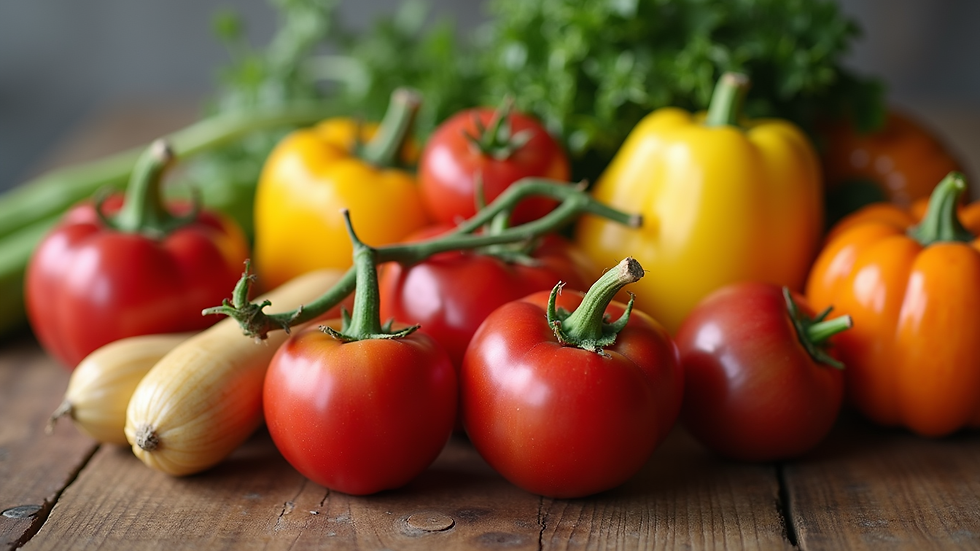
Fruits and vegetables: Aim for a variety of colors to ensure a wide range of nutrients.
Lean proteins: Include sources like chicken, fish, beans, and legumes.
Whole grains: Choose brown rice, quinoa, and oats over refined grains.
Manage Stress Through Nutrition
Chronic stress can lead to elevated cortisol levels, which can disrupt hormonal balance. Incorporate foods that help manage stress, such as:
Dark chocolate: Contains antioxidants and can help reduce stress hormones.
Berries: High in vitamin C, which can lower cortisol levels.
Herbal teas: Chamomile and green tea can promote relaxation.
Stay Hydrated
Dehydration can affect hormone levels, particularly those related to metabolism and appetite. Aim to drink plenty of water throughout the day. Herbal teas and water-rich fruits and vegetables can also contribute to hydration.
Consider Timing and Frequency of Meals
Eating regular meals can help maintain stable blood sugar levels and support hormonal balance. Consider:
Eating smaller, more frequent meals: This can help prevent blood sugar spikes and crashes.
Avoiding late-night snacking: This can disrupt sleep and hormonal regulation.
Specific Diets and Their Impact on Hormonal Health
Several dietary approaches have been studied for their effects on hormonal health. Here are a few notable ones:
Mediterranean Diet
The Mediterranean diet emphasizes whole foods, healthy fats, and lean proteins. Research suggests that this diet can improve insulin sensitivity and support hormonal balance. Key components include:
Fruits and vegetables: Rich in antioxidants and fiber.
Healthy fats: Olive oil and nuts provide essential fatty acids.
Fish: A good source of omega-3 fatty acids.
Plant-Based Diets
Plant-based diets, which focus on fruits, vegetables, whole grains, and legumes, have been associated with improved hormonal health. These diets are typically high in fiber and low in unhealthy fats, which can help regulate insulin levels and reduce inflammation.
Low-Carb and Ketogenic Diets
Low-carb and ketogenic diets can lead to weight loss and improved insulin sensitivity. However, they may not be suitable for everyone. It's essential to consult with a healthcare professional before making significant dietary changes.
Conclusion
Diet plays a pivotal role in maintaining hormonal health. By focusing on whole foods, healthy fats, and nutrient-rich options, you can support your hormonal balance and overall well-being. Remember that individual needs may vary, so it's essential to listen to your body and consult with a healthcare professional if you have specific concerns.
Take charge of your hormonal health today by making informed dietary choices. Start by incorporating more whole foods into your meals and reducing processed foods. Your hormones will thank you!

Comments