Enhancing Baby Health Through Maternal Nutrition
- ciarafaithdaprile
- Feb 23
- 4 min read
Maternal nutrition plays a crucial role in the health of both the mother and her baby. The food choices a pregnant woman makes can significantly impact the development of her child, influencing everything from birth weight to long-term health outcomes. In this blog post, we will explore how proper nutrition during pregnancy can enhance baby health, the essential nutrients needed, and practical tips for expectant mothers.
The Importance of Maternal Nutrition
During pregnancy, a woman's body undergoes numerous changes, requiring increased nutritional needs. The health of the baby is directly linked to the mother's diet, making it essential for expectant mothers to focus on their nutritional intake. Research indicates that inadequate maternal nutrition can lead to complications such as low birth weight, preterm birth, and developmental issues.
Key Nutrients for Expecting Mothers
To support the health of both mother and baby, certain nutrients are particularly important:
Folic Acid: This B-vitamin is crucial for preventing neural tube defects. Women should aim for at least 600 micrograms daily, ideally starting before conception.
Iron: Increased blood volume during pregnancy requires more iron to prevent anemia. Pregnant women should consume about 27 milligrams daily, found in foods like lean meats, beans, and fortified cereals.
Calcium: Essential for the development of the baby's bones and teeth, pregnant women need about 1,000 milligrams of calcium daily. Dairy products, leafy greens, and fortified plant-based milks are excellent sources.
Omega-3 Fatty Acids: Important for brain development, omega-3s can be found in fatty fish, flaxseeds, and walnuts. Pregnant women should aim for at least 200-300 milligrams of DHA (a type of omega-3) daily.
Protein: Vital for the growth of fetal tissue, including the brain, protein needs increase during pregnancy. Aim for about 71 grams of protein daily from sources like lean meats, eggs, dairy, and legumes.
Creating a Balanced Diet
A balanced diet during pregnancy should include a variety of foods to ensure all nutritional needs are met. Here are some practical tips for creating a healthy meal plan:
Focus on Whole Foods
Incorporate whole foods into your diet, such as:
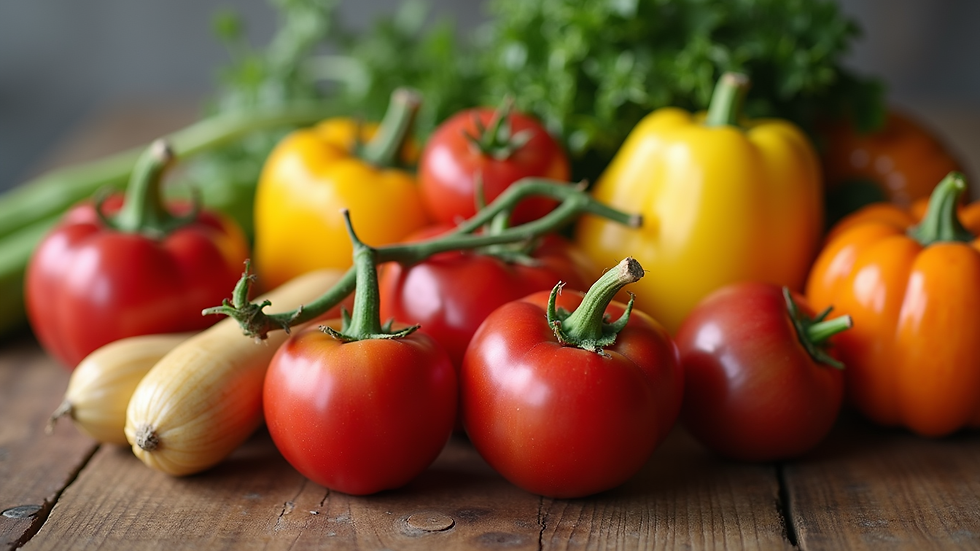
Fruits and Vegetables: Aim for a colorful variety to ensure a wide range of vitamins and minerals. Fresh, frozen, or canned (without added sugars or salt) are all good options.
Whole Grains: Choose whole grains like brown rice, quinoa, and whole wheat bread over refined grains. They provide more fiber and nutrients.
Lean Proteins: Include sources like chicken, turkey, fish, beans, and legumes. These foods support the baby's growth and development.
Stay Hydrated
Proper hydration is essential during pregnancy. Aim to drink at least 8-10 cups of water daily. Staying hydrated helps with digestion, nutrient absorption, and can reduce swelling.
Limit Processed Foods
Processed foods often contain added sugars, unhealthy fats, and preservatives. Try to limit these foods and focus on preparing meals from scratch whenever possible.
Managing Cravings and Aversions
Pregnancy can bring about unusual cravings and food aversions. Here are some strategies to manage them:
Listen to Your Body: If you crave a specific food, it may indicate a nutritional need. For example, craving dairy could mean you need more calcium.
Find Healthy Alternatives: If you have aversions to certain foods, seek alternatives that provide similar nutrients. For instance, if you can't stomach meat, consider beans or lentils for protein.
Snack Wisely: Keep healthy snacks on hand, such as nuts, yogurt, or fruit, to satisfy cravings without compromising nutrition.
The Role of Supplements
While a balanced diet is the best way to obtain nutrients, some women may benefit from supplements. Prenatal vitamins are specifically formulated to meet the increased nutritional needs during pregnancy. Consult with a healthcare provider to determine if supplements are necessary and which ones are best for you.
Common Prenatal Vitamins
Folic Acid: Most prenatal vitamins contain the recommended amount of folic acid to help prevent neural tube defects.
Iron: Many prenatal vitamins include iron to support increased blood volume.
DHA: Some prenatal vitamins also contain DHA, an omega-3 fatty acid important for brain development.
Cultural Considerations in Maternal Nutrition
Cultural beliefs and practices can influence dietary choices during pregnancy. It's essential to respect these traditions while encouraging healthy eating habits. Here are some ways to incorporate cultural foods into a nutritious diet:
Explore Traditional Dishes: Many cultures have traditional dishes that are rich in nutrients. For example, Mediterranean diets emphasize fruits, vegetables, whole grains, and healthy fats.
Adapt Recipes: Modify traditional recipes to make them healthier. For instance, use whole grain flour instead of white flour or reduce sugar in desserts.
Educate on Nutritional Benefits: Share information about the nutritional benefits of traditional foods to encourage healthier choices.
The Impact of Maternal Nutrition on Long-Term Health
Research shows that maternal nutrition can have lasting effects on a child's health. Poor nutrition during pregnancy is linked to an increased risk of chronic conditions such as obesity, diabetes, and heart disease later in life. By prioritizing nutrition during pregnancy, mothers can help set their children up for a healthier future.
Case Studies and Research Findings
A study published in the American Journal of Clinical Nutrition found that women who consumed a diet rich in fruits, vegetables, and whole grains had babies with higher birth weights and better overall health.
Research from the Journal of Nutrition indicates that maternal intake of omega-3 fatty acids is associated with improved cognitive development in children.
Conclusion
Enhancing baby health through maternal nutrition is a vital aspect of pregnancy that cannot be overlooked. By focusing on a balanced diet rich in essential nutrients, managing cravings, and considering cultural practices, expectant mothers can significantly impact their baby's health and well-being.
As you embark on this journey, remember that every healthy choice you make contributes to a brighter future for your child. Prioritize your nutrition, consult with healthcare providers, and embrace the beautiful experience of nurturing new life.


Comments